
Proper care of your Pilates equipment after each workout is essential for maintaining performance, safety, and long-term durability. Whether you are using a Pilates reformer in a professional studio or a home Pilates machine, a few simple post-training maintenance steps can significantly extend the life of your equipment and improve the overall training experience.
1️⃣ Clean High-Contact Areas Immediately
After each session, start by wiping down all areas that come into direct contact with the body, such as the carriage padding, footbar, straps, ropes, and handles.
Use a soft, dry cloth or a slightly damp microfiber cloth to remove sweat and dust. Avoid alcohol-based or harsh chemical cleaners, as they may damage leather upholstery, wooden frames, or aluminum components.
Keeping these surfaces clean helps maintain hygiene and prevents material wear over time.
2️⃣ Check the Reformer Rails and Carriage Movement
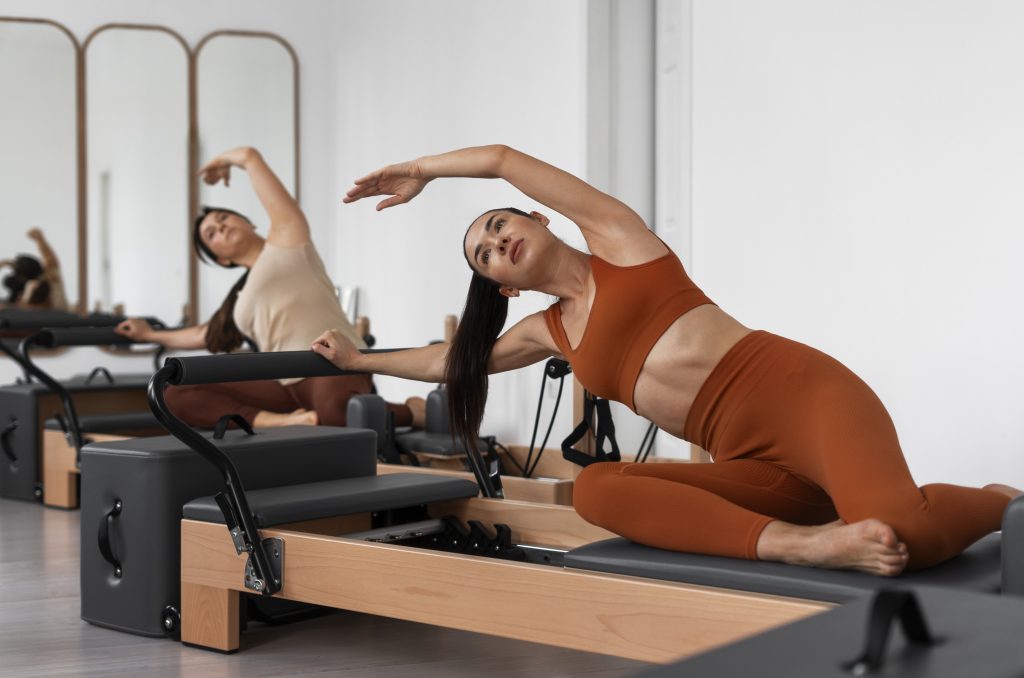
Smooth carriage movement is a key feature of any Pilates reformer machine. After training, gently slide the carriage back and forth to ensure it moves quietly and evenly. If you notice resistance or noise, dust or debris may be present on the rails. Wipe the rails with a clean, dry cloth. Lubrication should only be applied if recommended by the manufacturer, as excessive oil can attract more dust.
3️⃣ Release Spring Tension and Organize Straps
Once training is complete, return the springs to a neutral or light-tension setting. Keeping springs under high tension for extended periods may reduce their elasticity and lifespan.
Check ropes and straps for twisting or uneven wear, and neatly place them back in position. Proper organization not only protects the equipment but also makes the next session more efficient.
4️⃣ Perform a Quick Stability Check
Although a full inspection is not necessary after every workout, it’s important to stay aware of how the equipment feels during use. If you notice any unusual movement, looseness, or noise from the frame, footbar, or connections, address it promptly. Tightening loose screws early helps prevent safety issues and preserves the structural integrity of your Pilates machine.
5️⃣ Store Equipment in a Suitable Environment
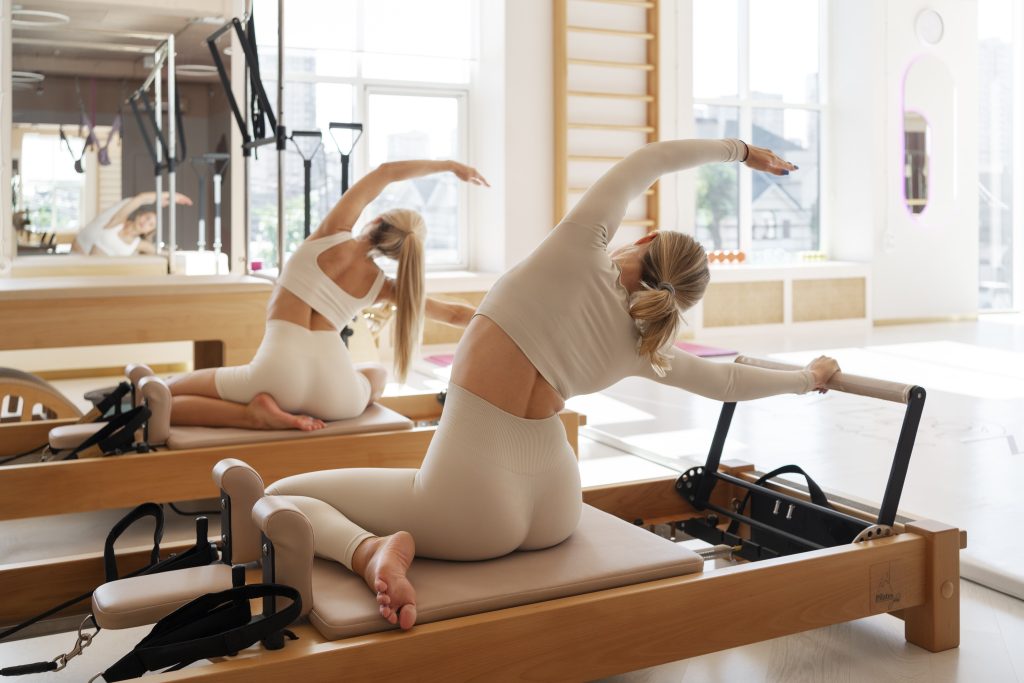
After training, make sure your Pilates equipment is stored in a clean, dry, and well-ventilated space. Avoid direct sunlight and excessive humidity, as these conditions can accelerate wear on upholstery, wood, and metal parts. A stable environment helps maintain both the appearance and performance of your reformer over time.
Final Thoughts
Post-workout maintenance doesn’t need to be complicated — consistency is what matters most. By cleaning, checking, and properly storing your Pilates reformer or Pilates equipment after each training session, you ensure smoother operation, enhanced safety, and long-lasting quality. A well-maintained machine supports better movement, better results, and a more enjoyable Pilates experience every time.